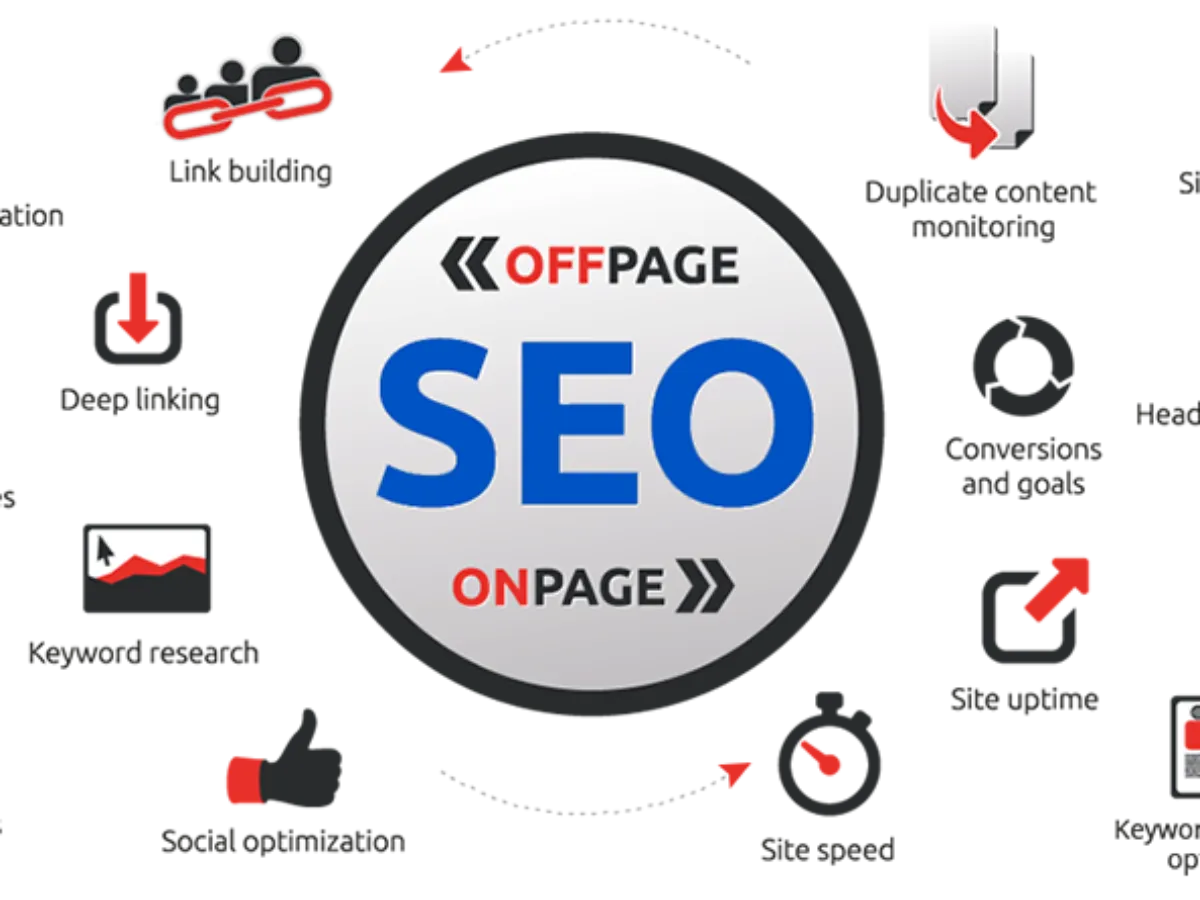
Search Engine Optimization (SEO) is the process of improving a website so it ranks higher on search engines like Google, Bing, and Yahoo.
The goal is simple: increase visibility, drive organic (free) traffic, and grow your online presence.
In today’s digital landscape, SEO is one of the most powerful strategies for businesses, bloggers, and content creators to reach their target audience without relying solely on paid advertising.
What Is SEO?
SEO stands for Search Engine Optimization.
It involves optimizing your website’s content, structure, and technical aspects so search engines can understand it better and show it to users searching for relevant topics.
For example, if someone searches for “best travel tips,” SEO helps your article appear on the first page of search results.
How Does SEO Work?
Search engines like Google use automated systems called crawlers (or bots) to explore the web.
These bots analyze websites and store information in an index.
Here’s a simplified process:
- Crawling – Bots scan your website pages.
- Indexing – Your content is stored in a database.
- Ranking – Algorithms determine where your page appears in search results.
Search engines consider many factors when ranking content, such as:
- Relevance to search queries
- Content quality
- Website speed
- Mobile-friendliness
- Backlinks (links from other websites)
Types of SEO
1. On-Page SEO
This focuses on optimizing elements within your website:
- Keywords usage
- Title tags and meta descriptions
- Headings (H1, H2, H3)
- Internal linking
- Content quality
2. Off-Page SEO
This involves activities outside your website:
- Backlinks from trusted websites
- Social media signals
- Brand mentions
3. Technical SEO
This ensures your website meets technical requirements:
- Fast loading speed
- Secure connection (HTTPS)
- Mobile optimization
- Proper site structure
Step-by-Step Guide to SEO
Step 1: Keyword Research
Start by finding keywords your audience is searching for.
Use tools like:
- Google Keyword Planner
- Ahrefs
- SEMrush
Choose keywords with high search volume and low competition.
Step 2: Create High-Quality Content
Content is the foundation of SEO.
Make sure your content:
- Answers user questions
- Is original and informative
- Uses keywords naturally
Step 3: Optimize On-Page Elements
- Use your keyword in the title
- Add meta descriptions
- Optimize images with alt text
- Use proper headings
Step 4: Improve Technical SEO
- Ensure fast page speed
- Make your site mobile-friendly
- Fix broken links
- Use a clean URL structure
Step 5: Build Backlinks
Backlinks act as “votes of trust.” The more high-quality links you have, the better your rankings.
Ways to build backlinks:
- Guest posting
- Creating shareable content
- Collaborations
Step 6: Monitor and Improve
Use tools like:
- Google Analytics
- Google Search Console
Track your traffic, rankings, and performance to improve your strategy.
Why Is SEO Important?
- Increases organic traffic
- Builds credibility and trust
- Improves user experience
- Provides long-term results
- Cost-effective compared to ads
Common SEO Mistakes to Avoid
- Keyword stuffing
- Ignoring mobile optimization
- Slow website speed
- Duplicate content
- Poor-quality backlinks
Conclusion
SEO is not a one-time task—it’s an ongoing process.
By understanding how search engines like Google work and following a structured approach, you can significantly improve your website’s visibility and attract more visitors.
Whether you’re a beginner or an experienced marketer, mastering SEO can unlock long-term success in the digital world.